Published Sunday 14 Sept 2025 | 3 min read
Fibre 101: What is it and why is it so good
Written by Benjamin Millard, Communications Advisor
Fibre has helped the world connect like never before, promising to hold up to our rising bandwidth demands for decades to come. Find out what exactly fibre optic cabling is, how it works, and why it’s the gold standard for internet infrastructure by reading on!
What is fibre?
In its basic form, fibre optic cabling is made of super thin strands of glass or plastic that carry internet signals through pulses of light. These strands are wrapped in cladding and protection to reinforce it.
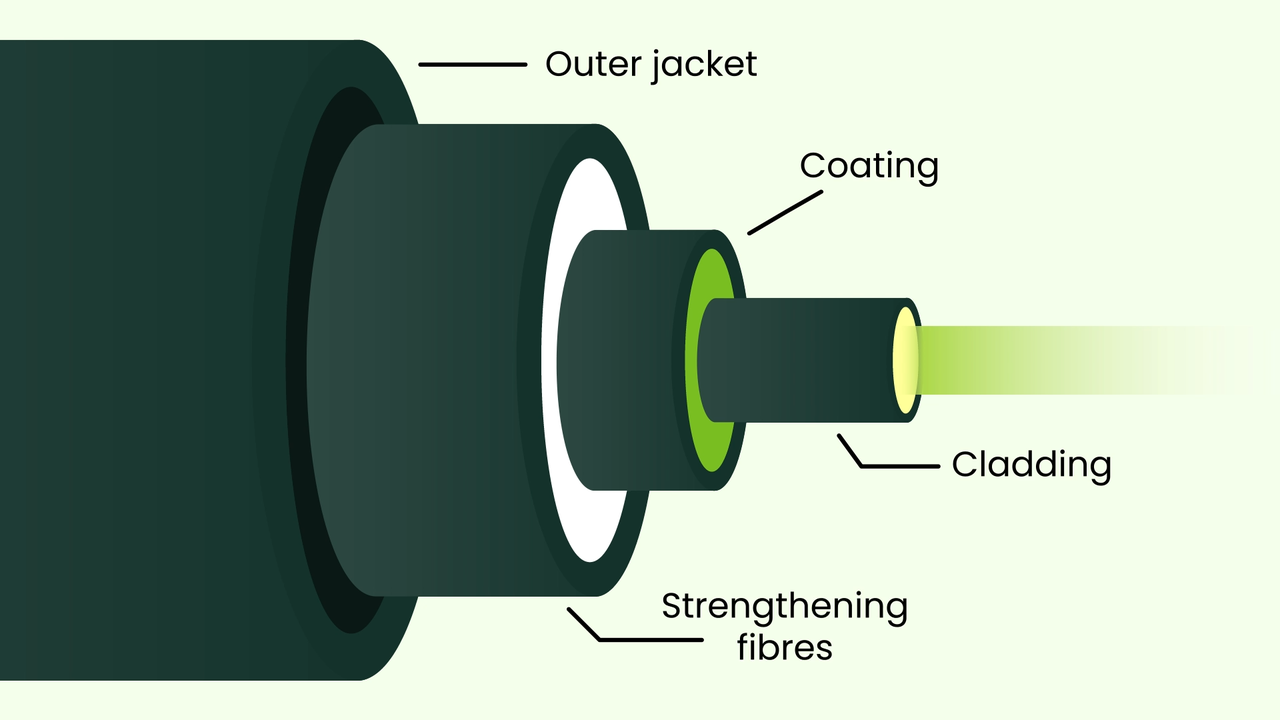
Fig. 1: A cross-section of a fibre cable.
The light bounces along the inside of the fibre, using a concept called ‘total internal reflection’ to travel at extremely high speeds.

Fig. 2: 'Total internal reflection' is bouncing light through the fibre cable.
Why is fibre better?
Compared to other methods used for internet connections, like copper wiring or wireless, fibre is superior in almost every way.
Copper wiring uses electrical signals to carry data, which degrade more easily over long distances. This often means these services can suffer speed and reliability issues.
Wireless or satellite internet are a great option for rural areas without fibre access – but it has some downsides. These technologies can have higher latency and can be affected by bad weather.
As fibre signals use light, data can travel longer distances with minimal signal strength loss. It’s also largely immune to poor weather as it’s usually nice and protected in the ground.
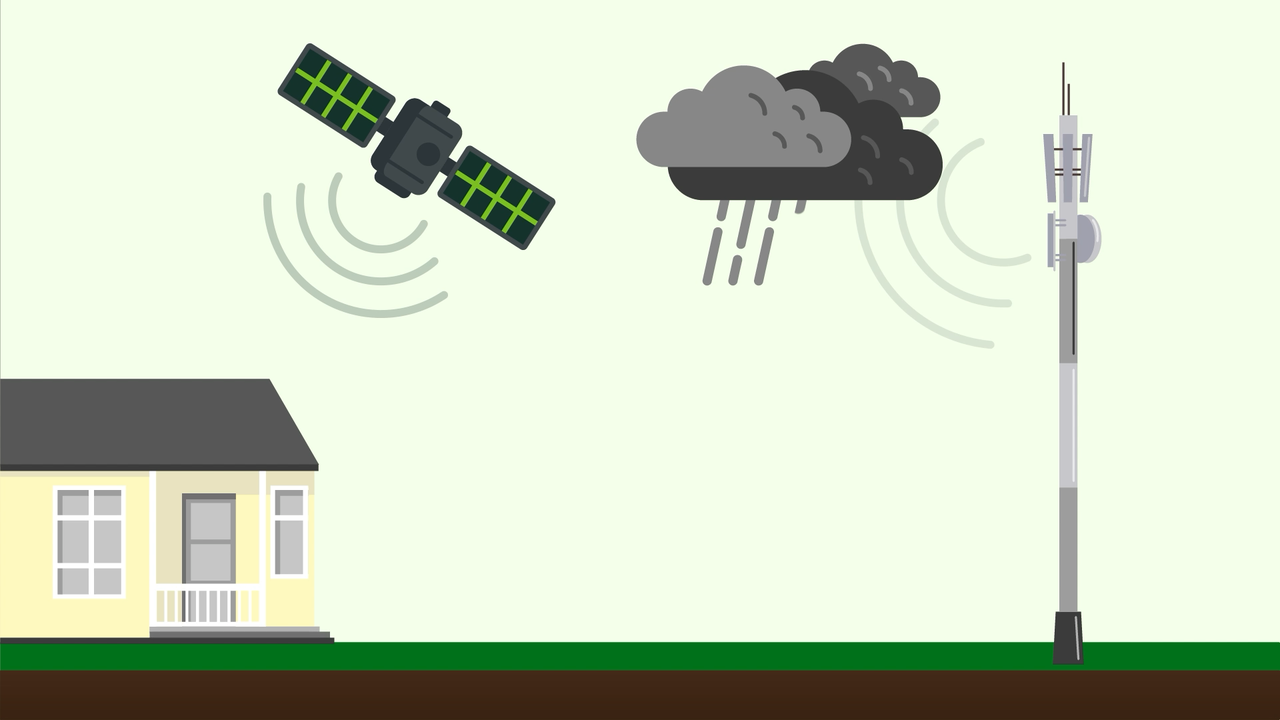
fig. 3: Weather conditions can affect wireless connections.
On top of this, the raw speed supported by fibre far outstrips other fixed-line technologies. Fibre easily handles residential speeds of 2000 Megabits per second (Mbps), but this is the tip of the iceberg for what it can really do.
In 2024, UK scientists reached a speed of 402 Terabits per second – that’s 402 million Mbps – on a single fibre strand. While your home network won’t be seeing these speeds any time soon, backhaul networks connecting local networks to core networks in Australia already operate at speeds of 100 Gigabits per second (Gbps) and will be able to handle 400 Gbps in the future.
How do we use fibre?
The backbone of the internet network, both in Australia and around the world, relies on fibre optic cables.
Network providers, like nbn® and Opticomm, use fibre to connect your home to their network and the rest of the world. For the fastest and most reliable connection, you would have fibre all the way to your property, also known as Fibre to the Premises.
Most people currently have fibre up to a street node (Fibre to the Node or Building) or pit outside their house (Fibre to the Curb), with copper completing the rest of their connection.
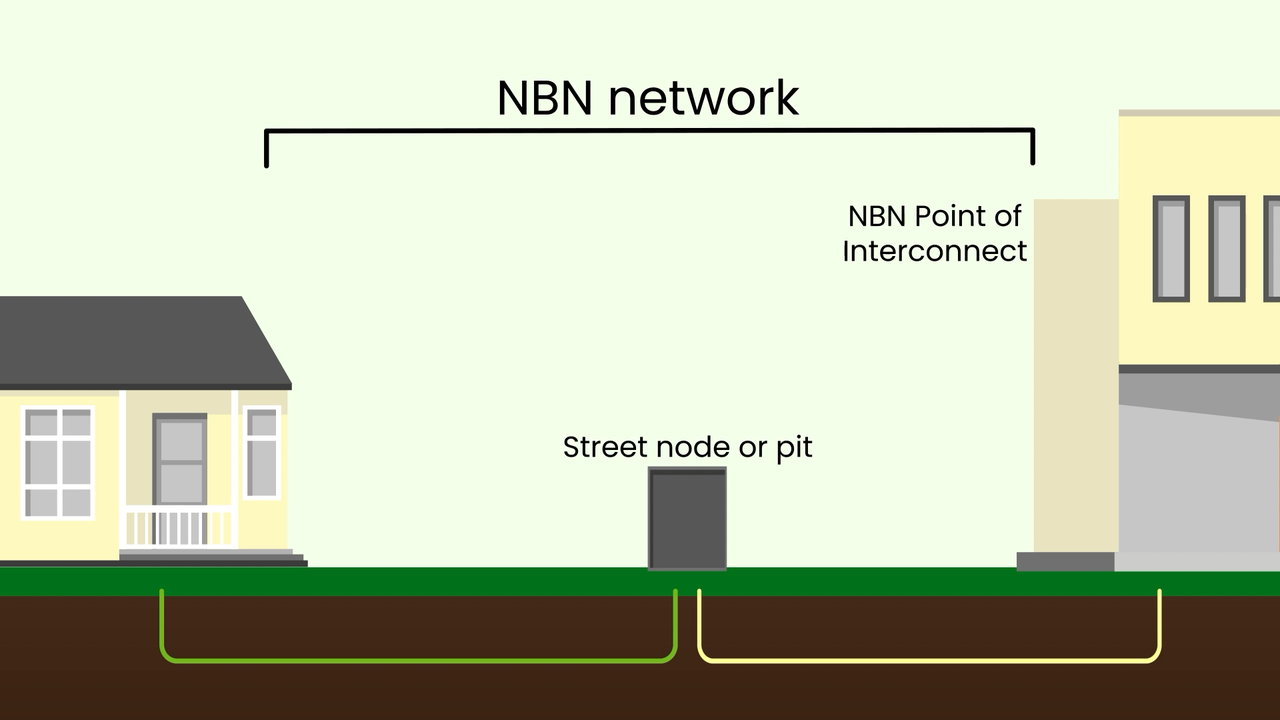
Fig. 4: Fibre runs from the Point of Interconnect to the node.
NBN or Opticomm manage one part of your connection journey, and retail service providers (RSP) support the other. RSPs use fibre to connect you from the NBN or Opticomm network to data centres, where all the internet content you see is physically stored.
These data centres can be located anywhere around the world. With Australia being its own continent, we’ve got a couple of small natural barriers to overcome – namely the ocean.
This is why we use submarine fibre cables, which are laid along the ocean floor and stretch for thousands of kilometres. Chances are that this video you’re watching is sitting in an overseas data centre and travelling to your screen via these cables.
While we haven’t laid any international submarine cables ourselves yet, we‘ve got our own fibre network with over 1,800km of cable right here in Australia. The vast distances and differences in geography around the country mean that laying fibre is no small feat!
There’s no better example of this than our recent fibre lay in Sydney’s Middle Harbour, presenting a real challenge for our Fibre team to overcome. The project took a year of planning, with many obstacles being navigated to safely lay our fibre.
As the demand for more data only grows, there’ll be many projects like Middle Harbour in years to come. So next time you’re streaming your favourite TV show or surfing the web, give a big “thanks” to fibre for making it all possible!
Curious to learn more about fibre? We’ve got you covered! Level up your knowledge with the blogs below:
Written by

Benjamin Millard
Communications Advisor
Benjamin (or Ben) is a Communications Advisor at Aussie Broadband. ...
See all articlesShare this post with your mates!
Articles like this
What makes a strong password and how to make a good one
21 October 2025 | 4 min read
Passwords can be a pain to ponder. While it’s easy to pick a pet or child to base a password off of (we all know the favourite child), scammers and hackers hav…
Tags: Security and Privacy, Internet, Aussie's Guide to The Internet
Read more
Scams 101: a guide to handling scams
22 August 2025 | 6 min read
Scams and phishing attempts come in many forms. It could be an SMS congratulating you for winning a prize in a competition you never entered or an email from t…
Tags: Security and Privacy, Internet, Safety & security
Read more
New Year tech tune-up
9 January 2026 | 1 min read
New Year resolutions generally last as long as leftover Pavlova. But when it comes to your business, it’s best to stick to resolutions you can keep. To kick of…
Tags: Business, Internet, Productivity
Read more